Living in Boulder Colorado: Daily Life, Costs & Areas
March 24, 2026
March 24, 2026
What if your morning coffee came with Flatiron views and a quick trail run before work? In Boulder, that is a normal weekday, not a vacation day. If you’re weighing a move, you want the real picture: what life feels like, what homes cost, how you’ll get around, and where different neighborhoods fit your lifestyle and budget. This guide gives you a grounded look at daily life in Boulder with current local data so you can decide with confidence. Let’s dive in.
Boulder pairs small-city convenience with big-nature access. The city is home to about 106,800 residents based on the U.S. Census July 1, 2024 estimate. Outdoor access is built into daily routines. Boulder’s Open Space & Mountain Parks manages over 46,000 acres and roughly 150 miles of trails, so a hike, run, or bike ride is often minutes from your door. The pedestrian core around Pearl Street adds dining, cafés, and cultural life that stays active year round.
If you work in town, mornings are usually manageable. The mean travel time to work is 19 minutes based on ACS 2019–2023 data. Some residents head to Denver, about 25 to 30 driving miles depending on your exact start and end points. Regional commuters often use the Flatiron Flyer express bus on the US‑36 corridor for a predictable routine.
Downtown’s brick‑paved Pearl Street Mall anchors everyday errands. You can walk to shops, grab lunch, and catch street performers. On weekends, the Boulder Farmers Market along 13th Street is a local ritual for produce and prepared food, with Saturday and seasonal Wednesday markets.
Outdoor time is part of the weekday rhythm. Many residents fit in Mount Sanitas, Royal Arch, Chautauqua, or the Mesa Trail after work. Evenings often center on Pearl Street, The Hill near the university, or mixed‑use spots like 29th Street for casual dining and a relaxed night out.
Boulder’s neighborhoods offer distinct housing styles and tradeoffs. Your best fit depends on how you balance walkability, trail access, space, and budget.
In and around Downtown and historic Mapleton Hill, you’ll see Victorian and turn‑of‑the‑century homes with preservation rules that guide renovations. Streets are leafy and walkable, close to cafés and Pearl Street. Prices in Mapleton Hill often sit well above city medians, with many single‑family sales in the 1.5 million to 5 million plus range depending on size and lot.
North Boulder blends mid‑century ranches with newer infill, townhomes, and condos. You’ll find a mix of quieter residential pockets and denser housing near main corridors. Townhomes and condos here can be entry points for buyers who want city access at a relatively lower price per square foot than central historic areas.
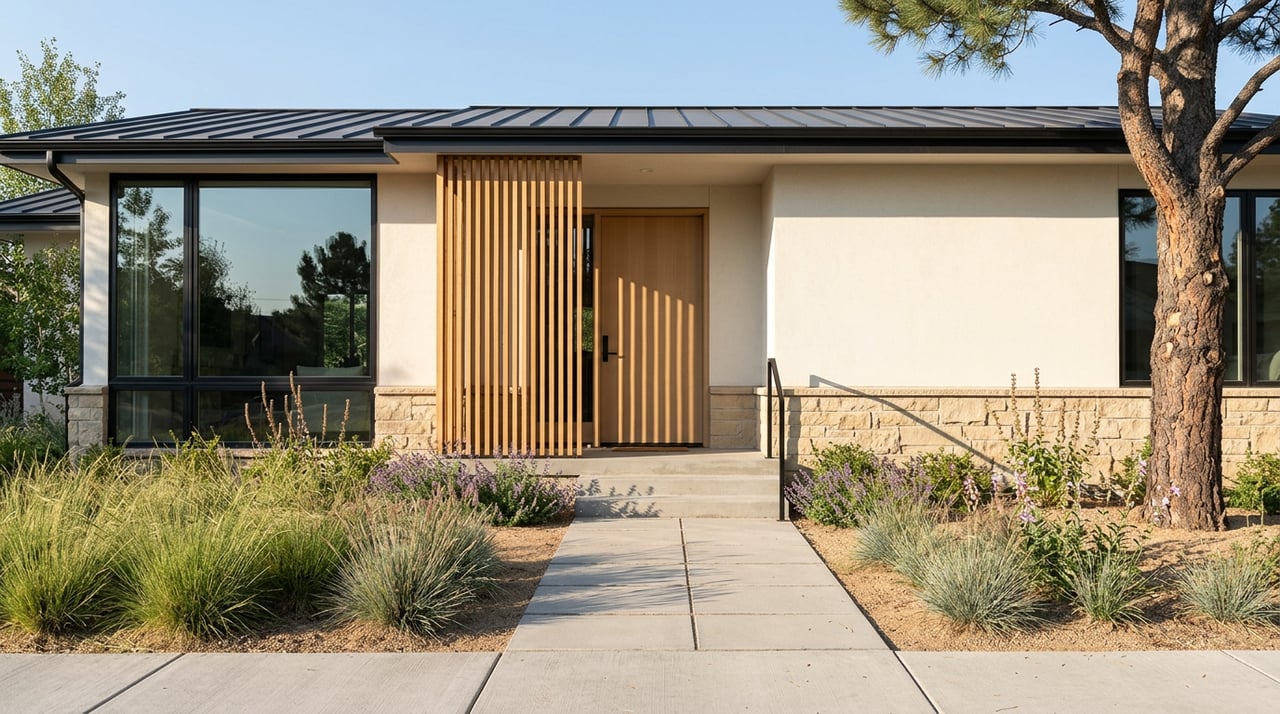
Close to Chautauqua and the Flatirons, South Boulder draws you with quick trailheads and views. Many homes are mid‑century or thoughtfully remodeled to capture light and scenery. If daily trail time is your priority, this side of town often rises to the top.
Near the university, you’ll see a higher share of rentals and student‑oriented housing. Turnover can feel more seasonal. For some buyers, this area pencils as an investment or a condo option that trades quiet streets for campus and entertainment access.
Boulder’s market is best understood with context. Different data sources measure prices in different ways, so look at more than one:
What this means for you: a single “median” can be misleading. A figure near 750,000 dollars might buy a smaller condo downtown, while a single‑family home in Mapleton Hill or a premium foothills property can be far above that range. The owner‑occupied rate is about 47.9 percent, and the median gross rent is roughly 1,924 dollars, reflecting a strong rental market influenced by the university.
Market dynamics vary by price band. Lower‑priced homes often draw more competition, while luxury listings can move differently. Long‑term supply is shaped by preservation rules and open‑space protections that limit sprawl and keep housing scarce. If you plan to renovate in a historic district, build in extra time and work with contractors who know local permitting.
Boulder supports car‑light living for many daily needs. The city reports about 300 miles of bikeway across the valley, including lanes and multi‑use paths. If you commute to Denver, expect roughly 35 to 60 plus minutes by car depending on traffic and where you start in Boulder. The Flatiron Flyer express bus connects Boulder and Denver job centers with frequent peak service and park‑and‑ride options.
Open space is a daily benefit here. With over 46,000 acres and roughly 150 miles of trails managed by OSMP, you can hike, run, or ride without leaving town. Popular trailheads like Chautauqua and Mount Sanitas fill early on weekends. If you aim for an after‑work hour outside, neighborhoods near trailheads make that easy.
If you want a city where you can bike to errands, walk to dinner, and be on a trail by sunset, Boulder delivers. The tradeoff is cost and a competitive market. With the right plan, you can match your lifestyle goals to a neighborhood and product type that makes sense.
Ready to explore Boulder with a local, marketing‑forward strategy and clear-eyed guidance? Reach out to Lindsey Harshman to start a tailored plan for your goals.
Stay up to date on the latest real estate trends.
Get assistance in determining current property value, crafting a competitive offer, writing and negotiating a contract, and much more. Contact Lindsey today to discuss all your real estate needs!