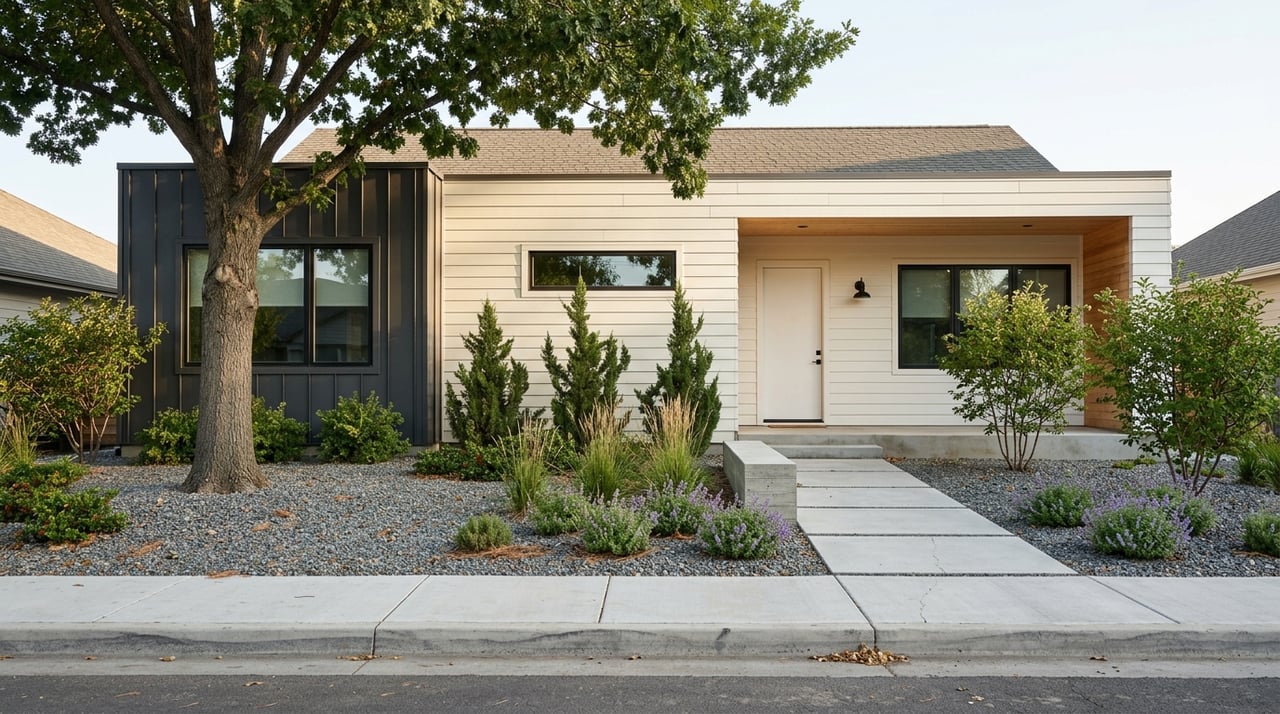
Relocating to Lafayette CO: Your Practical Buyer Guide
April 16, 2026
April 16, 2026
If you’re relocating to the Boulder area, Lafayette often lands on the shortlist for one simple reason: it can offer a different balance of price, pace, and access than Boulder itself. You may be looking for a practical commute, a walkable pocket, or a home that fits your budget without feeling too far from the broader Boulder job and lifestyle market. This guide will help you understand what Lafayette actually feels like on the ground, what kinds of homes you’ll find, and how to tour the city like a smart buyer. Let’s dive in.
Lafayette sits in southeast Boulder County, about 10 miles east of Boulder and just northwest of Denver. According to the City of Lafayette Economic Development page, the city has an estimated population of 30,587, a median household income of $119,040, and an owner-occupied housing rate of 65.7%.
For many relocating buyers, the biggest draw is value relative to nearby markets. Redfin’s Lafayette housing market data shows a February 2026 median sale price of $631,915, compared with $807,000 in Boulder and $683,535 in Boulder County. That puts Lafayette below both Boulder and the county on that snapshot, which is a key reason buyers often see it as a Boulder-adjacent option.
Lafayette is not a bargain market in the loose sense of the word. It is active, competitive in many situations, and still requires a solid buying strategy if you want to move quickly when the right home appears.
On the same Redfin market page, Lafayette homes were receiving an average of three offers, with a median of 77 days on market in the February 2026 snapshot. Redfin’s rolling three-month view on that page also described Lafayette as very competitive, with homes going pending in about 43 days and selling for about 1% below list price on average.
That mix matters. In practice, it suggests you may find some room to negotiate depending on the listing, but well-positioned homes can still move fast. At the county level, Boulder County market data showed a 97.9% sale-to-list ratio, with 18.1% of homes selling above list and 20.3% seeing price drops in February 2026.
If you’re deciding between Lafayette and Boulder, the choice usually comes down to trade-offs rather than a clear winner. Lafayette may give you more flexibility on price, while Boulder may offer a faster-moving market and a different urban pattern depending on where you search.
| Factor | Lafayette | Boulder |
|---|---|---|
| Median sale price | $631,915 | $807,000 |
| Relative price position | About 22% below Boulder | Higher-priced market |
| Median days on market | 77 days | 50 days |
For relocation buyers, that can translate into more options per dollar in Lafayette. It can also mean a little more time to evaluate some listings, though you should never assume every home will sit.
One of the most important relocation details is that Lafayette does not live the same way in every area. If you want a more walkable, errand-friendly setup, your search location inside the city matters.
The city’s comprehensive plan reports a Walk Score of 85 for Old Town and 39 citywide. That is a major difference. It means Old Town offers a much more pedestrian-oriented experience, while many other parts of Lafayette are more car-dependent in day-to-day life.
If walkability is high on your list, say so early in your home search. It will help narrow your options faster and keep you from spending time on homes that fit your budget but not your routine.
Relocating buyers often focus first on home features and second on the daily drive. In Lafayette, it is smarter to evaluate both at the same time.
The U.S. Census Bureau quick facts page lists Lafayette’s mean travel time to work at 23.6 minutes. That is useful context, but your actual commute will depend heavily on where you live in Lafayette and where you need to go.
You should test the corridor you expect to use most. A route from Old Town can feel very different from one with quick access to US-287 or South Boulder Road, and a transit-based routine may work better for some buyers than a full driving commute.
If public transportation matters to you, Lafayette has a solid starting point. The RTD Lafayette Park-n-Ride at 1080 S Public Rd offers free parking and serves routes 225, 225T, DASH, JUMP, LD1, and LD3.
Those routes connect Lafayette to broader regional destinations. RTD route information shows DASH serving Boulder and Lafayette via Louisville, while LD1 and LD3 connect through corridors that include Longmont, Broomfield Station, and Denver-area access.
That does not mean every home in Lafayette is transit-easy. It does mean you can build a practical relocation tour around both neighborhood feel and real-world transportation options.
Lafayette is not one uniform housing product. As a buyer, you’ll see a mix of older homes, updated historic properties, attached housing, and newer planned development.
Old Town is the clearest example of Lafayette’s earlier housing stock. The city’s Historic Lafayette Walking Tours materials reference miners’ homes moved from coal camps, boarding houses, and East Simpson Street’s former business center, which gives helpful context for the area’s built history.
At the same time, Lafayette’s comprehensive plan supports lower-intensity infill such as duplexes, townhomes, and accessory dwelling units. The city notes that both attached and detached ADUs are allowed, which may matter if you are thinking long term about flexibility, guests, or future use.
The same city planning materials also point to examples of newer community development. One example is Willoughby Corner, a planned 400-home affordable community with duplexes, townhomes, apartments, community gardens, trails, and a dog park.
If you love character, Lafayette gives you options. But older homes can come with a little more due diligence.
The city’s Historic Preservation Commission page notes preservation review related to landmark nominations. If you are considering an older Old Town property and expect to renovate, verify early whether any preservation rules could affect exterior changes.
That does not mean older homes are harder to buy. It simply means you should go in with clear expectations, especially if your wish list includes additions, major exterior updates, or visible design changes.
Relocation is never just about the house. It is also about what your week will look like once you move in.
Old Town Lafayette includes boutiques, international restaurants, art galleries, downtown parks, and recurring events such as Art Night Out, Peach Festival, and Beer Festival. If you want a more active local core, Old Town is worth spending real time in during your search.
For outdoor access, city recreation materials say Lafayette has 20 parks, more than 23 miles of soft-surface trails, and 1,617 acres of open space. The city also highlights Waneka Lake Park and the Coal Creek Trail as signature amenities in its recreation guide.
If you are moving from out of state or trying to make a decision in one weekend, structure matters. A focused tour will tell you more than a long list of random showings.
A practical way to experience Lafayette is to build your day around four stops:
You can also use the city’s self-guided 1.5-mile Historic Lafayette Walking Tour to get a quick feel for the older core. Pairing that with a commute test and a broader housing tour can help you make a more confident decision in less time.
If school assignment is part of your move, verify by exact property address as early as possible. Lafayette is part of Boulder Valley School District, and city budget materials note that BVSD neighborhood-school enrollment is address-based.
That means a general neighborhood impression is not enough for due diligence. If a specific school assignment matters to your household, confirm it directly before you write an offer.
If Lafayette is on your relocation shortlist, the smartest move is to evaluate it through your own daily priorities. Focus on commute, walkability, housing style, and how much flexibility you want in your budget compared with Boulder.
A guided search can help you move faster without skipping the details that matter. If you want help narrowing neighborhoods, planning a smart tour, or building an offer strategy that fits today’s Boulder-area market, connect with Lindsey Harshman for practical, local guidance.
Stay up to date on the latest real estate trends.
Get assistance in determining current property value, crafting a competitive offer, writing and negotiating a contract, and much more. Contact Lindsey today to discuss all your real estate needs!