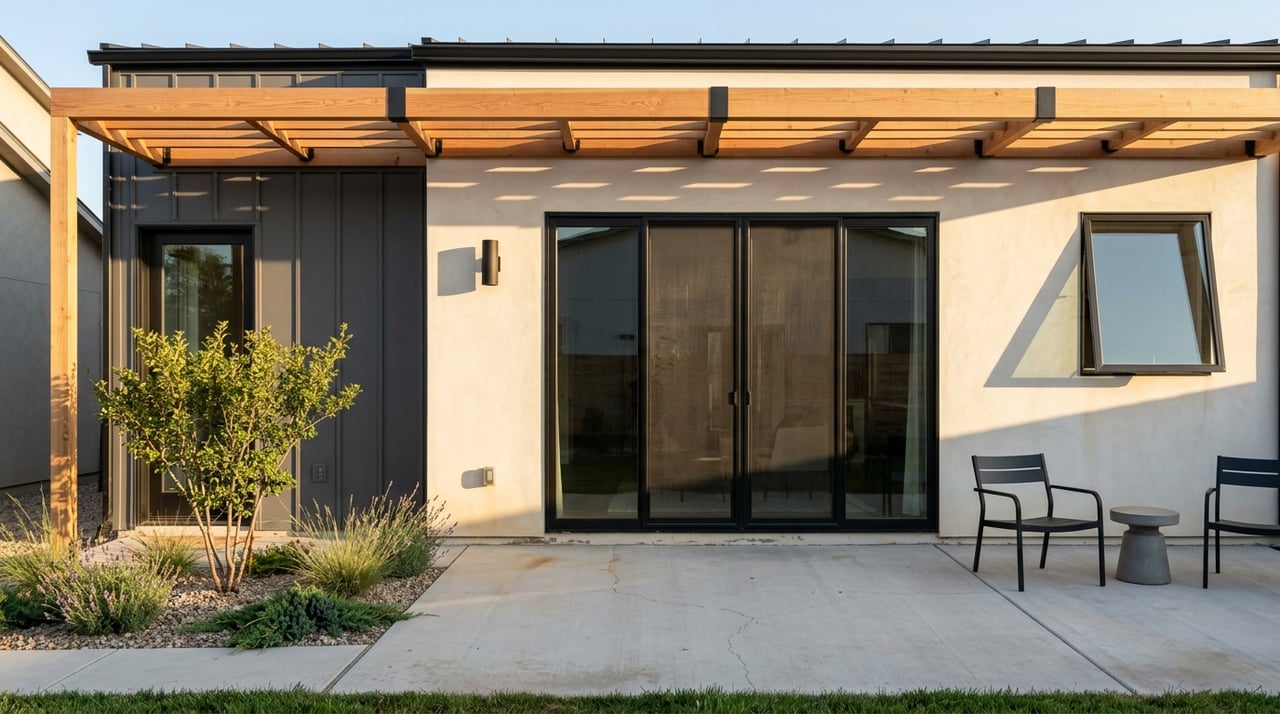
Buying An Investment Property In Broomfield, Colorado
May 14, 2026
May 14, 2026
Thinking about buying an investment property in Broomfield? You are not alone. For many buyers, Broomfield stands out as a practical middle ground in the Boulder-area market, with access to Front Range lifestyle perks, a range of housing types, and prices that sit below some nearby cities. If you want a clearer picture of what makes sense here, this guide will walk you through pricing, rental demand, property types, and the local rules that can shape your decision. Let’s dive in.
Broomfield offers a mix that can appeal to both lifestyle buyers and long-term investors. The city describes its housing stock as ranging from starter homes to luxury homes, along with townhomes, condos, apartments, and rentals. It also highlights 290 miles of trails and 63 parks, which adds to its everyday appeal for residents and tenants alike.
Broomfield is also a consolidated city and county, which can make it easier to focus your research on one local jurisdiction. From an investment point of view, that matters because local rules, taxes, and housing trends all come from the same place. When you are comparing options, that kind of clarity helps.
As of March 2026, Broomfield’s median sale price was $622,000. Homes were taking about 30 days to sell, and the market was described as somewhat competitive, with about two offers per home on average. That does not guarantee future performance, but it does show an active market.
Compared with nearby cities, Broomfield sits in an interesting spot. It is less expensive than Boulder at $819,175 and Louisville at $877,500, but above Longmont at $575,000. For many buyers, that creates a possible entry point into the broader Boulder-area market without paying Boulder-level pricing.
Broomfield’s current pricing can support a long-term hold mindset more than a simple cash-flow-first approach. Entry pricing is still substantial, so your returns will likely depend on disciplined underwriting, not just broad rental demand. That is especially important if you are comparing Broomfield to lower-cost markets.
At the same time, the local demand profile is worth noting. Census data reports a median household income of $123,874, a median owner-occupied value of $664,500, and median gross rent of $2,126. The city also reports that many residents commute outside Broomfield for work, while many employees commute into the city, which reinforces Broomfield’s role as part of a larger regional housing market.
Before you buy, it helps to know what kinds of homes renters actually occupy in Broomfield. The city’s housing-needs assessment shows that 63% of the housing stock is detached single-family homes. Apartments or condos with 5 to 49 units account for 16%, and apartment buildings with more than 50 units account for 12%.
That does not mean detached homes are the best rental fit for every investor. In fact, renters are much more concentrated in attached and multifamily housing. The same report says 41% of renters live in apartments or condos with 5 to 49 units, 32% live in buildings with 50 or more units, 19% live in single-family homes, and 8% live in townhomes or duplex, triplex, and fourplex-style homes.
For you, that creates an important trade-off. Detached homes may appeal if you want broader resale flexibility, but attached homes and condos may better match how renters are already living in Broomfield. The right choice depends on your budget, maintenance tolerance, and hold strategy.
Single-family rentals have grown in Broomfield, with the city’s assessment showing a 52% increase from 2011 to 2021. That tells you there is a real place for detached rentals in the market. These properties can offer space, privacy, and wider resale appeal.
The trade-off is operating complexity. Detached homes usually come with more owner-level maintenance, including landscaping, exterior upkeep, and snow responsibilities. If you are buying from out of state or want lower hands-on involvement, that extra work matters.
Attached product can be appealing if you want to reduce some exterior maintenance burdens. It also aligns more closely with where many renters already live in Broomfield. In some cases, newer attached properties may also offer a more predictable repair picture than older detached homes.
Still, lower maintenance does not mean no friction. HOA rules, dues, and rental restrictions can affect both your monthly costs and your flexibility. If you are considering a condo or townhome, reviewing the HOA documents early is essential.
In Broomfield, age of product should be part of your investment screen. The housing-needs assessment says most owner-occupied housing stock was built from 1980 to 2009, while renter-occupied stock grew most during 2010 to 2019. That means the vintage of the property may tell you a lot about likely upkeep and future capital needs.
The same report shows that from 2003 to 2022, 54% of permitted units were in multifamily structures with 5 or more units, compared with 39% in single-family detached and 6% in two-to-four-unit structures. Newer supply has tilted toward attached housing, which is useful context if you are trying to balance maintenance, tenant appeal, and long-term positioning.
This is the biggest issue many investors miss. In Broomfield, a short-term rental is defined as renting all or part of a property for less than 30 days, and the property must be the owner’s principal residence. Non-principal-residence short-term rentals are prohibited.
That means Broomfield is not a simple short-term rental market for second-home buyers or pure investors. If your plan depends on vacation-rental or short-stay income, this rule should be your first screening test. In many cases, it will change the math before you even tour properties.
If a property does qualify as a principal residence short-term rental, the city requires a short-term rental license. Owners must also have sales tax and lodging tax licenses before advertising or renting the property.
The city’s guide includes several operating rules that matter in real life:
The city also says owners should check HOA rules for additional restrictions. If you are evaluating a property for any kind of rental use, that HOA review should happen before you get too far into your decision-making.
For many buyers, long-term rental strategy is the more realistic path in Broomfield. The local income and rent data suggest a real tenant base, and the city’s commuter profile adds support for steady housing demand. That does not mean every property will cash flow well, but it does mean you are looking at a market with established residential demand.
The key is to underwrite carefully. Instead of assuming rental demand will solve everything, focus on vacancy, turnover, insurance, HOA dues, taxes, and repair reserves. A property can look strong on paper until these line items start stacking up.
Property taxes deserve close attention in Broomfield. The assessor notes that property values are determined by the county assessor, while mill levies are set by taxing entities that fund schools, fire protection, roads, special districts, and other local services.
Broomfield’s Property Tax 101 information says the city and county retains only 24% of collected property taxes, with 52% going to school districts and 24% going to special districts. It also notes that the city and county mill levy has remained 28.969 since 2001. The practical takeaway is simple: even if one part of the tax picture looks steady, your total tax bill can still change.
Local maintenance requirements matter because they turn into real operating tasks. In Broomfield, owners, occupants, or managers of one- or two-family dwellings must clear public sidewalks within 24 hours after snowfall. The city also says vegetation that is not part of a maintained landscape may not exceed eight inches.
If you are buying a detached rental, those are not minor details. They affect whether you need vendor support, local management help, or extra reserve planning. For out-of-state buyers especially, maintenance logistics should be part of the purchase decision, not an afterthought.
A smart Broomfield purchase usually starts with strategy, not just a listing alert. Before you buy, it helps to narrow your plan around a few key questions:
When you answer those questions clearly, you can screen properties faster and avoid expensive mismatches.
Buying an investment property in Broomfield is not just about finding a home that looks rentable. You need to understand how local price points, property types, taxes, HOA restrictions, and city rules work together. Small details can shift your monthly carrying costs and your long-term flexibility.
That is where local, clear-eyed guidance can help. If you are comparing Broomfield to Boulder, Louisville, Longmont, or other nearby Front Range markets, it helps to work with someone who can walk you through the trade-offs without overselling the upside.
If you are exploring investment or income-property options in Broomfield, Lindsey Harshman can help you evaluate property type, local rules, and real-world fit so you can move forward with confidence.
Stay up to date on the latest real estate trends.


Get assistance in determining current property value, crafting a competitive offer, writing and negotiating a contract, and much more. Contact Lindsey today to discuss all your real estate needs!