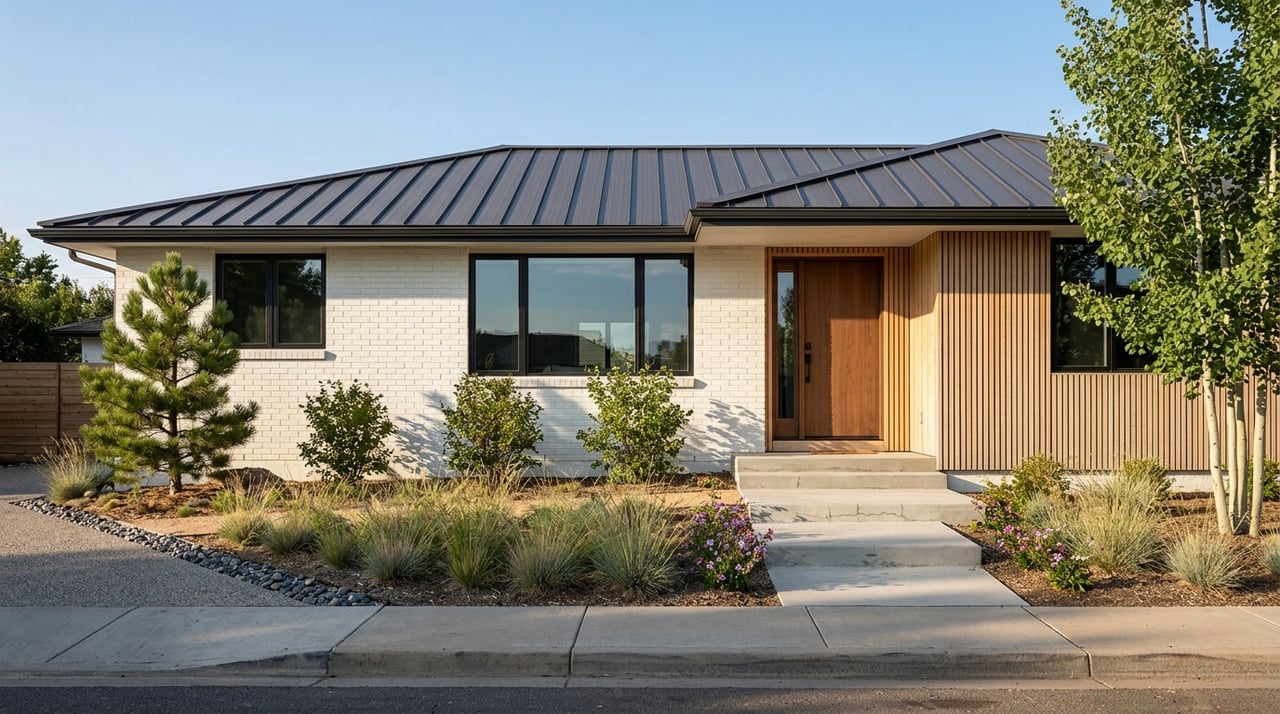
Boulder Colorado Home Styles and How They Shape Living
July 9, 2026
July 9, 2026
Wondering why one Boulder block feels full of porches and historic charm while the next leans mid-century or quietly modern? That mix is part of what makes buying or selling here so interesting. If you understand the architectural styles you are seeing, you can better match a home to your lifestyle, renovation plans, and long-term goals. Let’s dive in.
Boulder is not a one-style housing market. City preservation guidance describes a mix that includes vernacular wood and masonry homes, Victorian-era forms, bungalows, and modern styles, with building eras stretching from the 1880s onward.
That variety shows up at the neighborhood level, too. Boulder has 10 local historic districts and more than 1,300 designated properties, so the streetscape can shift quickly as you move through town. Census data also shows homes built in every decade from 1939 or earlier through 2020 or later, with especially large groups from the 1960s, 1970s, and 1980s.
For you as a buyer or seller, that means architecture in Boulder is more than curb appeal. Style often hints at floor plan, room size, light, outdoor connection, and even what kinds of updates may be realistic.
Vernacular wood frame and vernacular masonry houses are among Boulder’s most common historic residential forms. The city describes them as simple and modest, usually with little ornament, plus gabled, hipped, or side-gabled roofs.
These homes often read as practical and straightforward. You may find more traditional room layouts and a more utilitarian feel than in newer open-concept homes. Materials can include wood, clapboard, brick, stone, or block.
In older areas like Mapleton Hill and Highland Lawn, Queen Anne and Edwardian Vernacular homes are part of Boulder’s historic fabric. Queen Anne houses are typically vertical and asymmetrical, with towers, bays, decorative porches, and projecting gables.
Edwardian Vernacular homes share some of that overall massing but with simpler surfaces and less ornament. In everyday terms, these styles often offer strong street presence and memorable character, though they may not deliver the open flow many buyers expect from later-built homes.
Bungalows and Classic Cottages are closely tied to early 20th-century Boulder neighborhoods. The city describes bungalows as one- to one-and-a-half-story homes with large covered porches, low overhanging roofs, and tapered porch columns.
Classic Cottages in areas like Highland Lawn often include hipped roofs and dormers. These homes tend to feel human-scaled and porch-oriented, with more defined rooms than you would typically see in a newer home. If you like charm and a strong sense of front-yard connection, this style often stands out.
Chautauqua cottages are a very Boulder-specific housing type. The city notes that early summer residents first used tents in the area, then shifted by 1909 to small frame cottages, many with only one to six rooms.
That compact scale still shapes how these homes feel today. They are closely tied to Boulder’s outdoor identity and often appeal to buyers who value a cottage-like setting and direct connection to surrounding open space and trails.
If you spend time in south Boulder neighborhoods, ranch homes quickly become part of the conversation. Boulder’s postwar survey identifies ranch houses as a dominant style in neighborhoods such as Martin Acres, Baseline, Interurban Park, and Table Mesa.
These homes are typically long, shallow, one-story houses with low-pitched roofs, deep eaves, shallow porches, and large picture windows or window walls. Many also include patios and attached garages or carports.
For day-to-day living, ranches often support easy single-level use, better sightlines, and a stronger indoor-outdoor connection. Interior layouts from the 1950s commonly included larger living rooms, eat-in kitchens, and more open planning than earlier historic homes.
Split-level homes are also a major part of Boulder’s postwar story, especially in Martin Acres. These houses often appeal to buyers who want separate zones for living without the full vertical feel of a traditional two-story home.
In practical terms, split-levels can create a nice balance between shared spaces and quieter private areas. That layout can feel useful if you want a little more separation between household activities while still keeping the footprint relatively compact.
Minimal Traditional homes show up in Boulder as well, though the city’s survey says they are mostly limited to places like Interurban Park and Sunset Hills. They became less common as ranch forms took over after 1950.
These houses are generally compact and boxy, with fewer exterior details than many other styles. If you are drawn to straightforward, lower-ornament homes, this is one of Boulder’s simplest postwar forms.
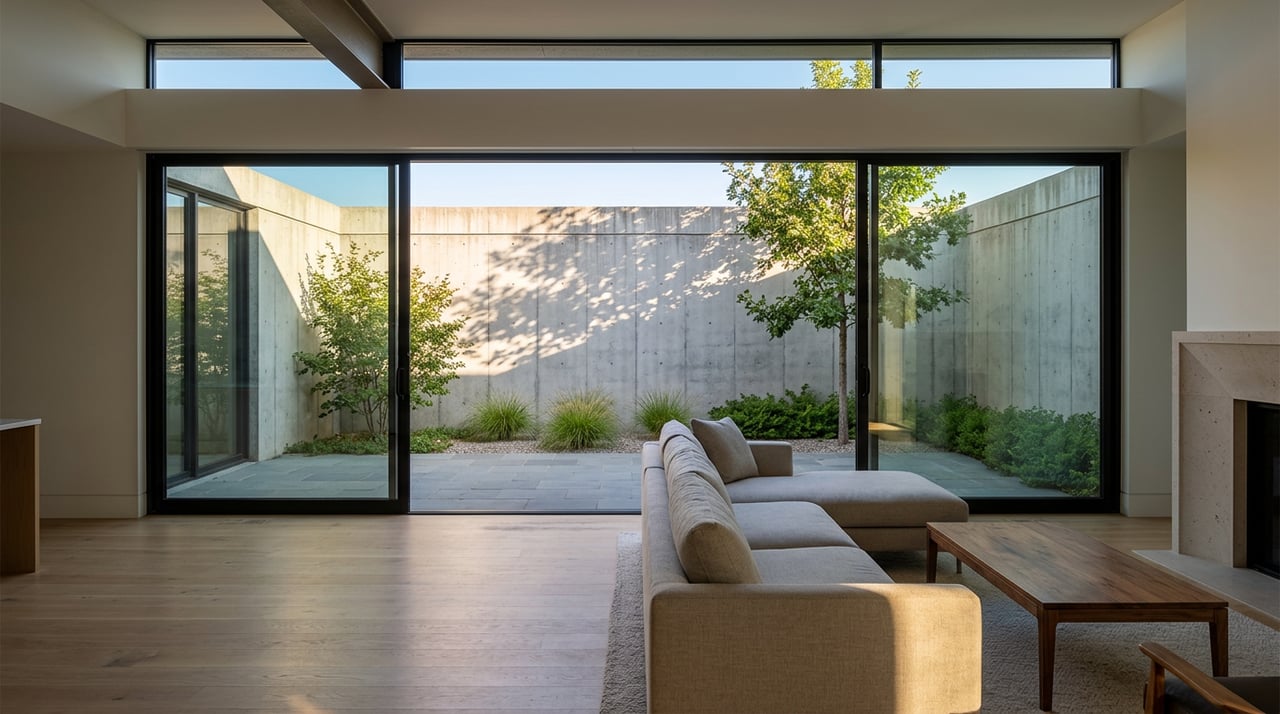
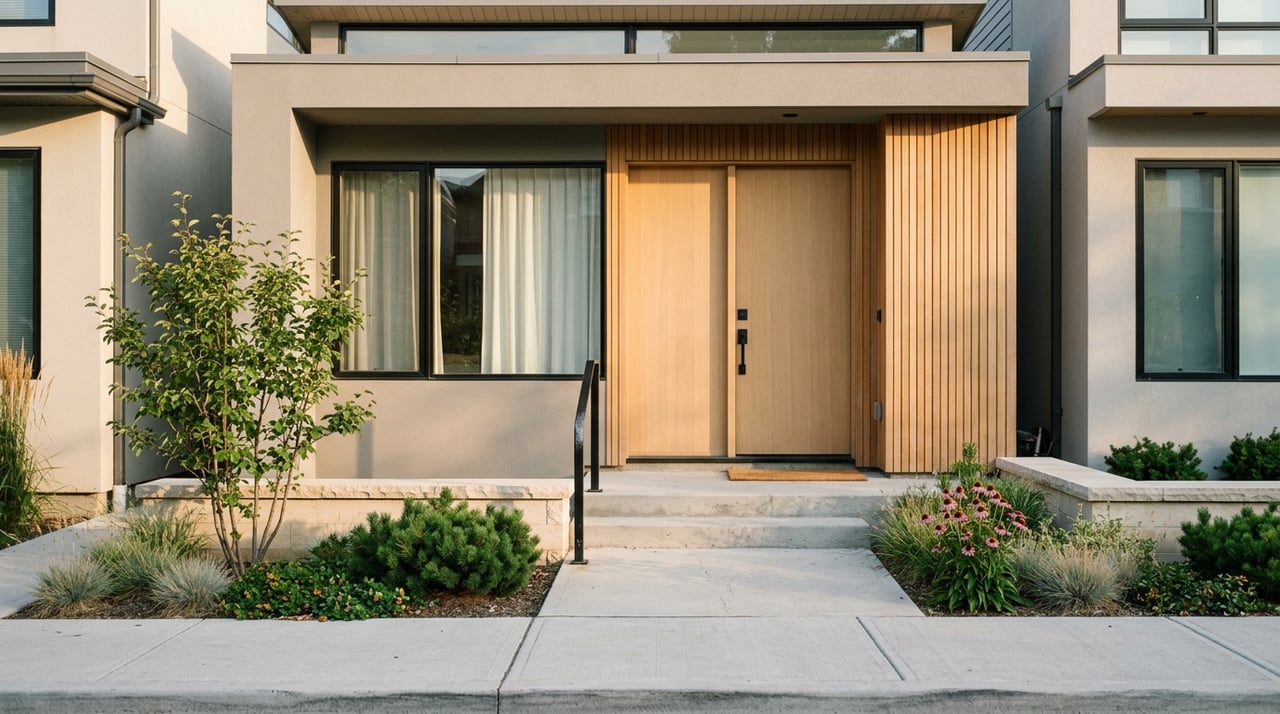
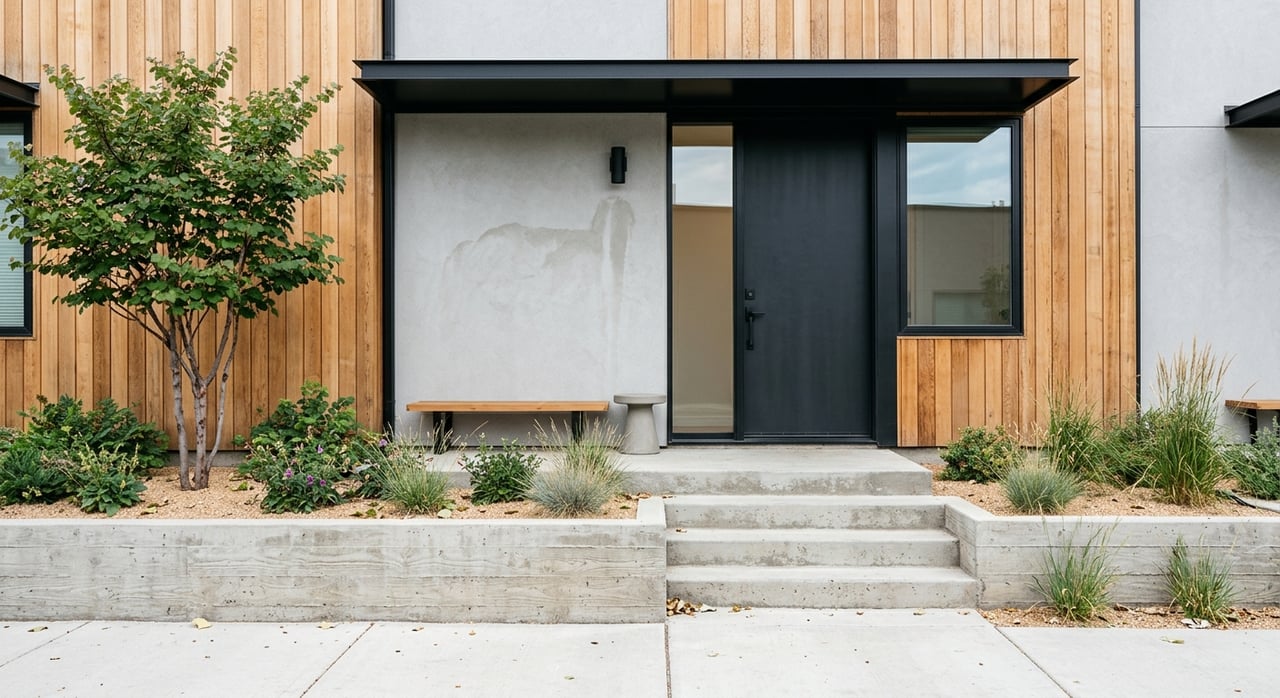
Boulder also includes modern and contemporary homes, especially through custom design and more recent infill. The city’s design guidelines describe Modern architecture as emphasizing the Machine Age, standardization, and the absence of non-functional ornament, often with flat roofs and smooth wall surfaces.
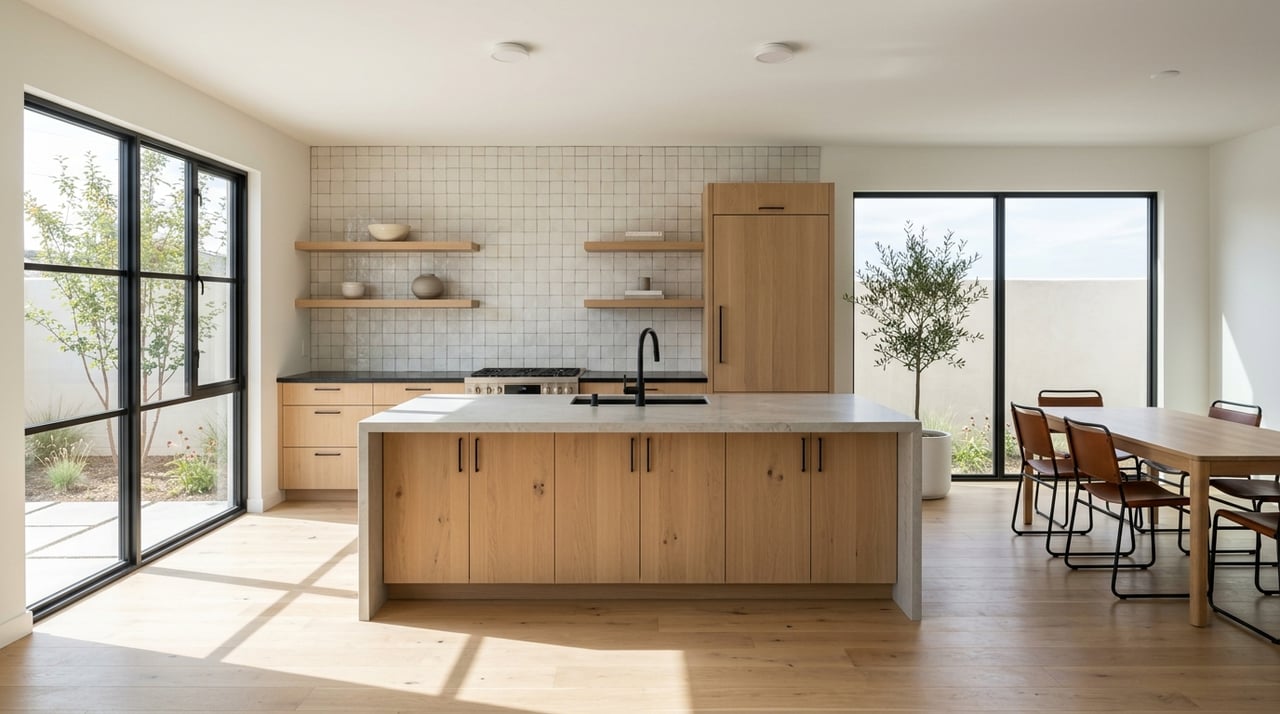
For buyers, these homes usually signal cleaner lines, more glass, and a greater sense of openness. In Boulder, that often pairs well with patios, decks, and a stronger visual connection to the outdoors.
Recent housing is a real part of the market here. Census data shows 4,372 housing units built from 2010 to 2019 and another 1,076 built in 2020 or later, so newer contemporary product sits alongside much older housing stock.
Mapleton Hill is one of the clearest places to see Boulder’s older architectural mix. City district guidance highlights Italianate and Queen Anne massing there, while also noting bungalows as part of the district’s historic character.
Highland Lawn shows a somewhat different mix. It is described as a concentration of Queen Anne, Classic Cottage, and Edwardian Vernacular buildings, which gives the area a distinct early residential feel.
Chautauqua stands apart because of its cottage-scale housing and strong connection to outdoor living. If you are drawn to compact homes and a setting that feels closely tied to Boulder’s trail and open-space culture, this is one of the most recognizable style-and-location pairings in town.
Martin Acres, Baseline, Interurban Park, Sunset Hills, and Table Mesa are key neighborhoods to know if you are looking for postwar housing. Ranches, split-levels, and minimal traditional homes appear most often in these areas.
These neighborhoods can be especially helpful to tour if your priorities include single-level living, practical layouts, or mid-century character without the formality of much older homes.
Architecture affects how a home works long after the first showing. In Boulder, style can give you useful clues about circulation, privacy, natural light, and how connected the house may feel to its lot or outdoor spaces.
If your goal is more light, easier flow, and stronger indoor-outdoor living, you will often be drawn to ranches, modern homes, or newer infill. If you are looking for charm, porch life, and older neighborhood texture, bungalows, cottages, and Victorian-era homes may be a better fit.
If single-level convenience matters most, ranch homes are often the clearest match. If you prefer more separation between living areas, split-levels and some compact historic homes can be appealing for different reasons.
In Boulder, the setting around a home can matter almost as much as the house itself. The city notes that sidewalks, tree canopy, building spacing, and the overall streetscape may all contribute to historic significance.
That matters when you are comparing homes. A property’s frontage, lot pattern, and relationship to neighboring homes can shape both its appeal and the kinds of changes that may be allowed.
If a home is in a historic district or is individually landmarked, exterior changes require city review through a Landmark Alteration Certificate. Boulder adopted its historic preservation ordinance in 1974, so this is an important factor for buyers considering remodeling and for sellers planning updates before listing.
If you are buying, architectural style can help you narrow the field faster. Instead of searching only by bed count or square footage, it can be useful to ask yourself what kind of living experience you want.
A few simple questions can help:
If you are selling, style should shape how your home is presented. A bungalow, ranch, or contemporary home each attracts attention for different reasons, so preparation, staging, and marketing should highlight the features buyers already associate with that architecture.
That is especially true in Boulder, where buyers often care about both design and lifestyle. The right positioning can help them quickly understand how a home lives, not just how it looks.
Whether you are drawn to a porch-front bungalow, a practical Table Mesa ranch, or a sleek contemporary infill home, understanding Boulder’s architectural styles can help you make a more confident move. If you want help matching a home’s design, neighborhood setting, and resale potential to your goals, reach out to Lindsey Harshman.
Stay up to date on the latest real estate trends.
Get assistance in determining current property value, crafting a competitive offer, writing and negotiating a contract, and much more. Contact Lindsey today to discuss all your real estate needs!