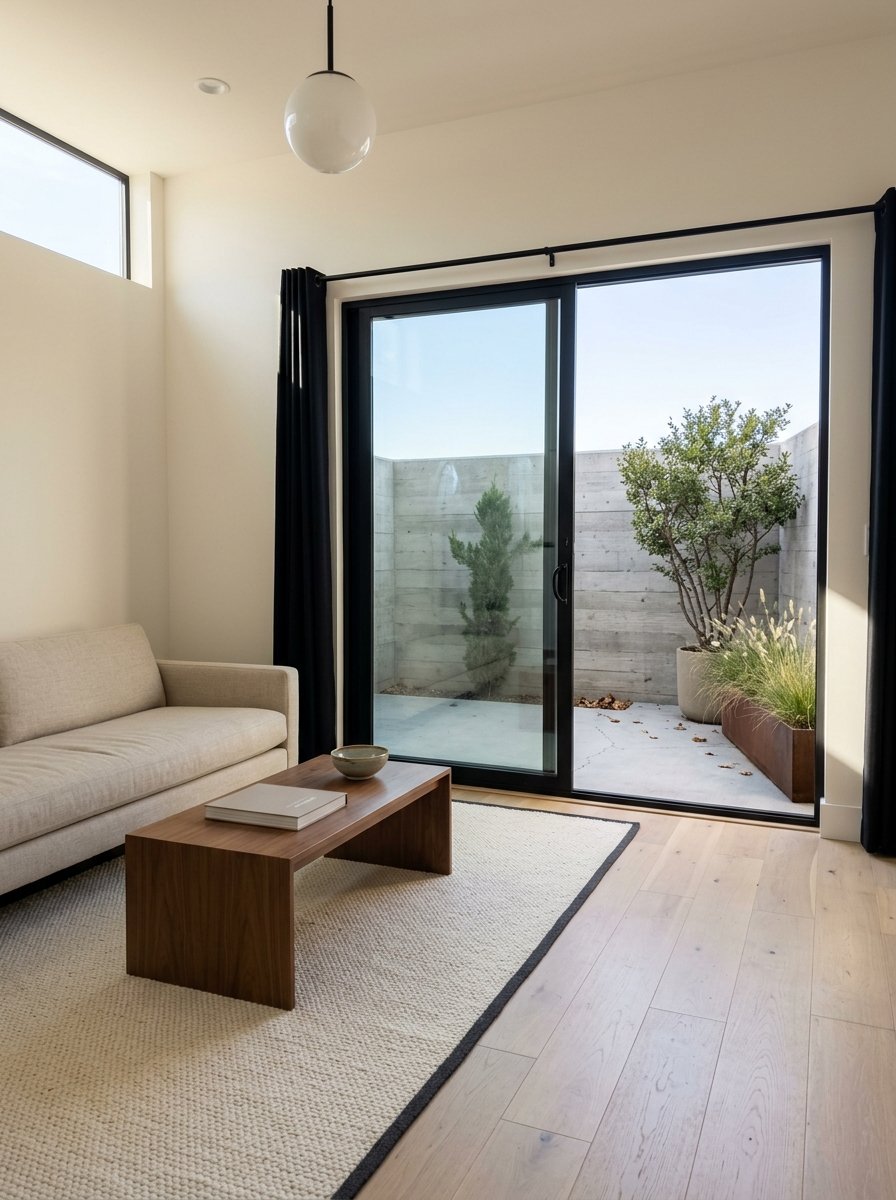
Selling a Home in Boulder: Your Seller Prep Roadmap
July 2, 2026
July 2, 2026
Selling in Boulder can feel like a balancing act. You want to maximize your price, avoid preventable surprises, and hit the market with confidence, especially when buyers are comparing every detail online. The good news is that a clear prep plan can help you focus on the updates that matter most, avoid wasted effort, and launch with stronger momentum. Let’s dive in.
Boulder’s recent housing data points to a market where presentation and pricing both matter. In the April 2026 Boulder city report, single-family homes posted a median sale price of $1,284,451, received 98.8% of list price on average, spent 48 days on market, and showed 4.5 months of supply. Townhomes and condos posted a median sale price of $567,500, received 97.3% of list price, spent 96 days on market, and showed 4.4 months of supply.
That tells you something important. Buyers are still active, but they are also selective. With median prices down year over year in the same report, sellers benefit from a polished presentation, a smart launch plan, and a realistic view of what today’s buyers expect.
Your first showing often happens online, not at the front door. National buyer research found that 52% of buyers found the home they purchased online, and 81% said listing photos were the most useful feature in their search. If your home looks clean, current, and well-prepared in photos, you give yourself a better chance to stand out early.
Before you paint a wall or move a box, start with the home itself. A pre-listing inspection can help you uncover issues before they turn into negotiation problems or last-minute stress. It also gives you a clearer sense of which repairs are worth tackling now and which ones you can simply disclose.
According to NAR, pre-listing inspections can reduce surprises and help sellers prioritize concerns like plumbing, roofing, electrical issues, and minor leaks. You do not need to repair every item that appears on an inspection report. You do need a practical plan for how you will address, document, or disclose what you learn.
Colorado’s commission-approved Seller’s Property Disclosure is based on your current actual knowledge. If anything changes, it should be disclosed promptly. The form also allows sellers to attach reports, receipts, warranties, permits, and other documents.
That makes early organization one of the simplest ways to smooth the process. Pull together:
Colorado’s current disclosure framework also includes radon-related information in residential transactions. In Boulder, it is smart to make any radon testing or mitigation paperwork easy to find before marketing begins.
Once you understand the home’s condition, move to visual prep. Decluttering and depersonalizing are often the highest-impact early steps because they make every room feel larger, cleaner, and easier to photograph. They also make the eventual move less overwhelming.
This matters because buyers respond to spaces they can picture themselves using. In NAR’s 2025 staging survey, 83% of buyers’ agents said staging made it easier for buyers to visualize a property as a future home. That starts with removing excess furniture, clearing surfaces, editing closets, and packing away highly personal items.
You do not need a blank, lifeless house. You want a home that feels calm, open, and well cared for. As you declutter, pay close attention to how each room reads in person and in photos.
A few practical targets include:
For sellers using Compass, this is also where Compass Concierge can sometimes help. Compass says the program may cover services such as decluttering, deep-cleaning, moving and storage, and staging as part of approved prep work.
In Boulder, the best pre-listing improvements are often the ones buyers notice right away. Fresh paint, flooring touch-ups, deep cleaning, landscaping, and other visible updates can make a home feel more move-in ready without turning your prep timeline into a full renovation.
This approach works well because buyers often compare finish quality and overall presentation just as much as they compare square footage. If your home feels clean, bright, and consistently maintained, it can create a stronger impression than a longer list of hidden upgrades that never gets fully communicated.
If you are trying to decide where to spend time and money, start with updates that improve first impressions online and in showings. Often, that includes:
These are usually the kinds of changes that help a home read as cared for and current. They also tend to support photography, which is especially important in a market where buyers begin their search online.
Boulder draws an important line between cosmetic work and larger changes. The city says finish work such as painting, flooring, carpeting, tiling outside a shower enclosure, cabinets, and countertops generally does not require a permit. Work that alters, enlarges, repairs, replaces, or otherwise changes a building or structure generally does.
Some properties may also face extra review. In Boulder, floodplains, wetlands, historic districts, and landmark properties can involve additional requirements. Exterior changes to an individual landmark or a property in a historic district require a Landmark Alteration Certificate before permit application.
You do not always need to stage every room. In many cases, it is more effective to focus on the spaces that shape the strongest emotional and visual impression. NAR’s 2025 staging report found that the rooms most commonly prioritized were the living room, primary bedroom, dining room, and kitchen.
That gives you a useful roadmap. If your budget or timeline is limited, start there. These rooms tend to carry the listing photos, anchor the showing experience, and help buyers understand how the home lives day to day.
Staging is especially helpful if you have lived in the home for years and your furnishings reflect a very specific style, layout, or era. It can also help if a room’s purpose is unclear or if the scale of the furniture makes the space feel smaller than it is.
In NAR’s 2025 survey, sellers’ agents reported a median spend of $1,500 when using a staging service. In the same report, 19% said staging increased offers by 1% to 5%. That does not mean every staged home gets a higher price, but it does suggest staging can improve how buyers respond.
Professional photography is not just a marketing extra. It is part of how buyers interpret value. Since 81% of buyers said listing photos were the most useful feature in their search, your visuals should be treated as a core part of launch strategy.
That means photography should happen after the home is fully cleaned, edited, and staged. A rushed shoot before prep is complete can weaken the entire rollout, especially in the critical first days when visibility and buyer attention matter most.
A thoughtful launch can help you build momentum instead of simply posting and hoping for the best. For sellers using Compass, the Concierge page describes a three-phase launch approach:
This kind of sequencing can be useful when you want feedback before going fully public or when small final details are still being completed. It also supports the bigger goal of making your public debut count.
Some sellers have the equity and timing to invest in prep work upfront. Others would rather preserve cash and still make strategic improvements before listing. That is where Compass Concierge may fit, depending on your goals and eligibility.
Compass says Concierge can cover staging, decluttering, painting, landscaping, deep-cleaning, flooring, moving and storage, cosmetic renovations, kitchen and bath improvements, and many other services. The idea is to front-load approved prep work without requiring all costs to be paid immediately out of pocket.
Concierge is optional. Compass also states that sellers are not required to use affiliated companies or Concierge to work with a Compass agent. If you explore it, the key is to treat it as a tool, not a default choice.
Compass says repayment is due when the home sells, when the listing is terminated, or when 12 months pass from the Concierge start date. It also notes that fees or interest may apply depending on state and program terms, and that eligibility is subject to credit approval and underwriting by Notable.
For many Boulder sellers, Concierge is most useful when the project list is clearly tied to presentation and return, the move-out timeline is tight, and the home would benefit more from strategic prep than from a major remodel.
If you want to keep the process manageable, follow this order:
A strong result in Boulder rarely comes from doing everything. It usually comes from doing the right things in the right order.
If you are preparing to sell and want a practical plan tailored to your home, neighborhood, and timeline, Lindsey Harshman can help you prioritize improvements, coordinate prep, and bring your home to market with a polished strategy.
Stay up to date on the latest real estate trends.


Get assistance in determining current property value, crafting a competitive offer, writing and negotiating a contract, and much more. Contact Lindsey today to discuss all your real estate needs!