Mountain Brook’s Metro District Tax: What Longmont Buyers Should Know
October 1, 2026
October 1, 2026
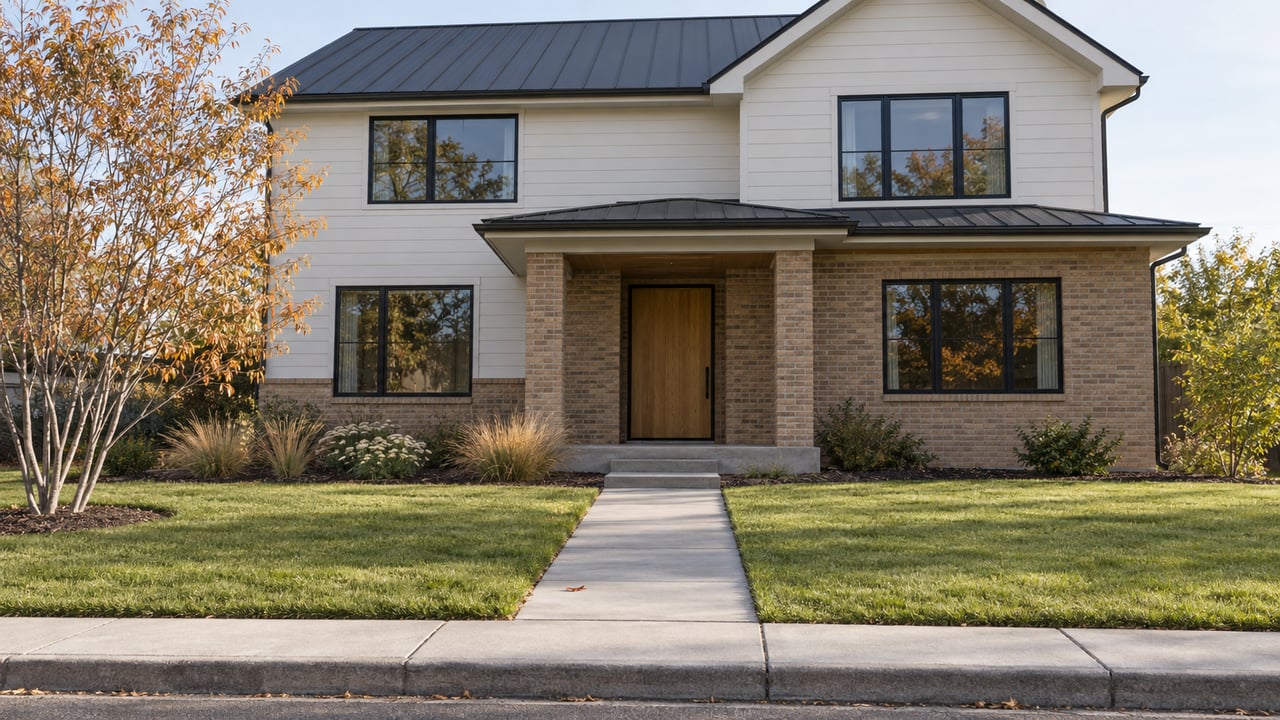
A three-bedroom townhome in Mountain Brook, on the southwest side of Longmont, lists at a price per square foot that looks like new construction anywhere else in the city. The tax bill attached to it doesn't. Mountain Brook sits inside a metro district, a taxing authority layered on top of the property tax every other Longmont homeowner already pays, and the mill levy on that layer alone was reported at 50.000 mills in the district's most recent public transparency filing, covering collection in 2024. The City of Longmont's own mill levy, the one that funds police, fire and library service, has sat at 13.42 mills since 1991. A buyer comparing two similarly priced new homes in Longmont, one inside Mountain Brook and one outside it, is comparing different property-tax bills over the life of the district bonds, so the district levy is an important figure to check.
That gap reflects a financing tool the city approved for Mountain Brook and later restricted for new residential districts. Mountain Brook offers a local example of how the tool affects property taxes.
A metro district works by letting a developer borrow against future property tax revenue instead of a construction loan. Mountain Brook Partners LLC formed the district, and the future mill levy on homes built there let the developer issue bonds at a lower interest rate than a standard construction loan would carry. That lower cost of capital paid for the streets, water and sewer lines inside the development, plus a share of the Saint Vrain Greenway extension and Longmont's Veteran's Village housing project, along with eight Habitat homes built as part of the same plan. Homeowners repay that infrastructure cost.
Dream Finders Homes and Landmark Homes are the builders currently active in Mountain Brook, offering townhomes and ranch-style condos. As of September 2026, listings there run from roughly $453,000 into the mid-$500,000s, depending on floor plan and lot.
Here's the structural difference in plain terms:
| City of Longmont | Mountain Brook Metro District | |
|---|---|---|
| Mill levy | 13.42 mills (set in 1991) | 50.000 mills (2024 filing) |
| What it funds | Police, fire, library | Streets, water and sewer lines, greenway extension, affordable housing components |
| Who pays it | Every Longmont property owner | Only properties inside the district boundary |
The city levy is fixed and shows up on every Longmont tax bill regardless of neighborhood. The district levy only applies inside Mountain Brook's boundary, and it stacks on top of everything else, county, school district and city, that a Longmont property owner already pays.
As the Longmont Leader reported, Mountain Brook's district didn't happen in isolation. Longmont had passed an Affordable Housing Ordinance requiring 12 percent of units in a new project to be permanently affordable, or a graduated fee paid to the city if a developer chose not to build them. To offset that added cost for developers, the city added a package of incentives, and letting a developer form a Residential Metro District was part of that package. Mountain Brook's service plan capped both the mill levy and how much the developer could be reimbursed from it, and the public benefit tied to the district included the Veteran's Village project, the Habitat homes, and relief for traffic congestion on Rogers Road and Hover. At the time, it was the only residential metro district the city had approved.
The Longmont Leader reported that in August 2020, a divided Longmont City Council voted 5-2 to reinstate an ordinance limiting the creation of new residential metro districts. Councilman Aren Rodriguez moved to rescind the earlier policy. Councilwoman Marcia Martin and Councilman Tim Waters cast the dissenting votes, defending the districts as a legitimate tool for building the kind of housing Longmont needed. The ordinance the council adopted that night spelled out the concern in language the report quoted:
"Buyers of homes in district projects are often unaware of the higher property taxes in their development and may become upset when property taxes increase."
And further:
"Residents may be surprised to find out the price of their homes did not include the price of streets and utilities in their development and that they must pay for this over a 30 or more year period through their property taxes."
These passages describe the possibility that buyers may be surprised by district-related property taxes and provide context for comparing Mountain Brook homes with other Longmont homes.
Most new construction going up in Longmont right now doesn't carry a second tax layer. The city's new-construction inventory tends to arrive as smaller, infill-style phases rather than the large master-planned developments you'll find in nearby Weld County growth towns. That makes the standard comparison buyers run, price per square foot, HOA dues, builder incentives, a fair one almost everywhere else in the city.
Mountain Brook is the exception that requires one more question. A buyer cross-shopping floor plans by price alone can find a Mountain Brook listing appealing for the same reasons they'd like any other new Longmont townhome: it is near the greenway and offers an easy run up Ken Pratt Blvd to Boulder. The district tax is another figure to compare before writing an offer.
Ask directly. Any listing agent or builder representative for a home in Mountain Brook can tell you whether the parcel sits inside the metro district and what the current mill levy is. Boulder County's Assessor's property search tool includes a Tax Area lookup that shows every taxing entity attached to a specific parcel, metro district included. Mountain Brook Metropolitan District's own annual transparency filing and posted through the Special District Association of Colorado, lists the current levy and how much revenue it collected the prior year. None of that shows up in a basic listing search. All of it is available before you're under contract.
Does every new home in Longmont sit inside a metro district? No. Longmont's 2020 ordinance limits the creation of new ones, and Mountain Brook remains the primary example of a residential metro district financed community inside the city.
Is a metro district the same thing as an HOA? No. An HOA collects dues for shared amenities and enforces covenants. A metro district is a government taxing entity that adds a mill levy to the property tax bill, usually to repay infrastructure bonds over decades.
If you're weighing a new-construction listing in Longmont against a resale a few blocks over, or trying to figure out whether a specific address carries a metro district mill levy, I can pull the actual tax picture before you write an offer, not after. Lindsey Harshman — Let's Connect.
This article is general information, not legal, tax or financial advice. Consult a qualified professional about your situation.
Stay up to date on the latest real estate trends.





Get assistance in determining current property value, crafting a competitive offer, writing and negotiating a contract, and much more. Contact Lindsey today to discuss all your real estate needs!